
Search Arkansas Family Court Records
Arkansas family court records are kept by the Circuit Clerk in each of the state's 75 counties and cover all domestic relations and juvenile cases filed in circuit court. These records include divorce filings, custody orders, child support judgments, paternity actions, and domestic abuse protective orders. Many counties offer free online search through the statewide Search ARCourts portal, and all counties allow in-person inspection at the courthouse. This guide explains what family court records exist in Arkansas, who keeps them, and how to find them.
Arkansas Family Court Records Overview
What Are Arkansas Family Court Records
The Arkansas Judiciary organizes circuit courts into five subject matter divisions: criminal, civil, probate, domestic relations, and juvenile. This structure came from Arkansas Constitutional Amendment 80, which took effect on July 1, 2001 and made circuit courts the general jurisdiction trial courts across the state. Family court records flow from two of those five divisions. Domestic relations cases cover divorce, legal separation, custody, child support, paternity, and domestic abuse. Juvenile cases cover delinquency, dependency-neglect, and Families in Need of Services matters.
Circuit Clerks in all 75 counties serve as the official custodians of these records. The clerk files and processes every document submitted to a case, keeps the docket current, issues summons and subpoenas, and in many counties collects child support payments on behalf of the court. When a case is closed, the records remain with the Circuit Clerk's office indefinitely. Any person can request to inspect or copy most of these records without having to state a reason or be a party to the case.
A domestic relations case file in Arkansas can hold a wide range of documents. A divorce matter might include the original petition, proof of service, financial disclosures, temporary orders for custody or support, a parenting plan, and the final decree. A child support file might hold income records, modification petitions, and a payment log. Knowing which documents you need before you contact the clerk saves time and reduces copy costs.
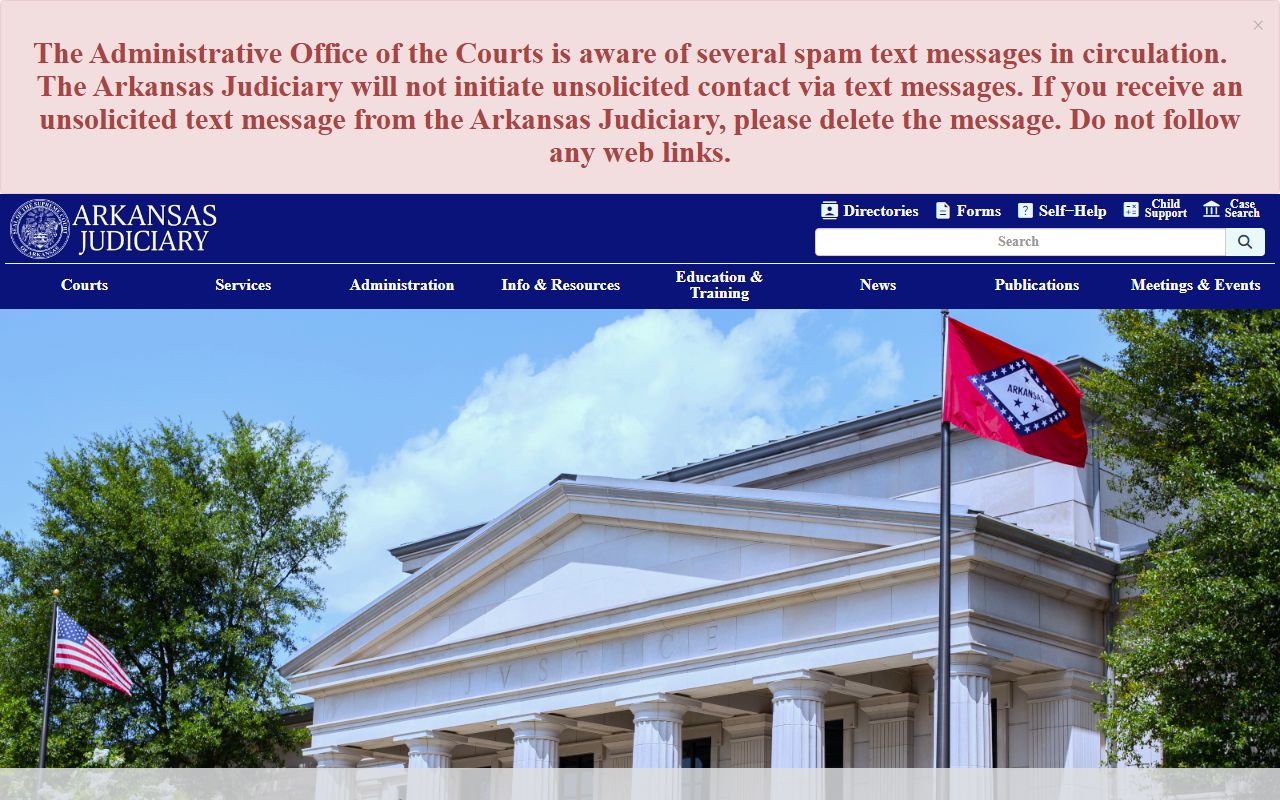
The Arkansas Judiciary official site provides access to court information, self-help resources, and administrative orders that govern how family court records are kept and made available to the public statewide.
Search Arkansas Family Court Records Online
The main tool for online access to Arkansas family court records is the Search ARCourts portal at caseinfo.arcourts.gov. The portal covers courts that use the Contexte Case Management System. You can search by party name, business name, case number, case type, filing date, attorney name, or judge name. The system returns basic case information: the parties, the presiding judge, docket filings, charges and dispositions, scheduled hearings, and judgments. Access is free. No login or account is required.
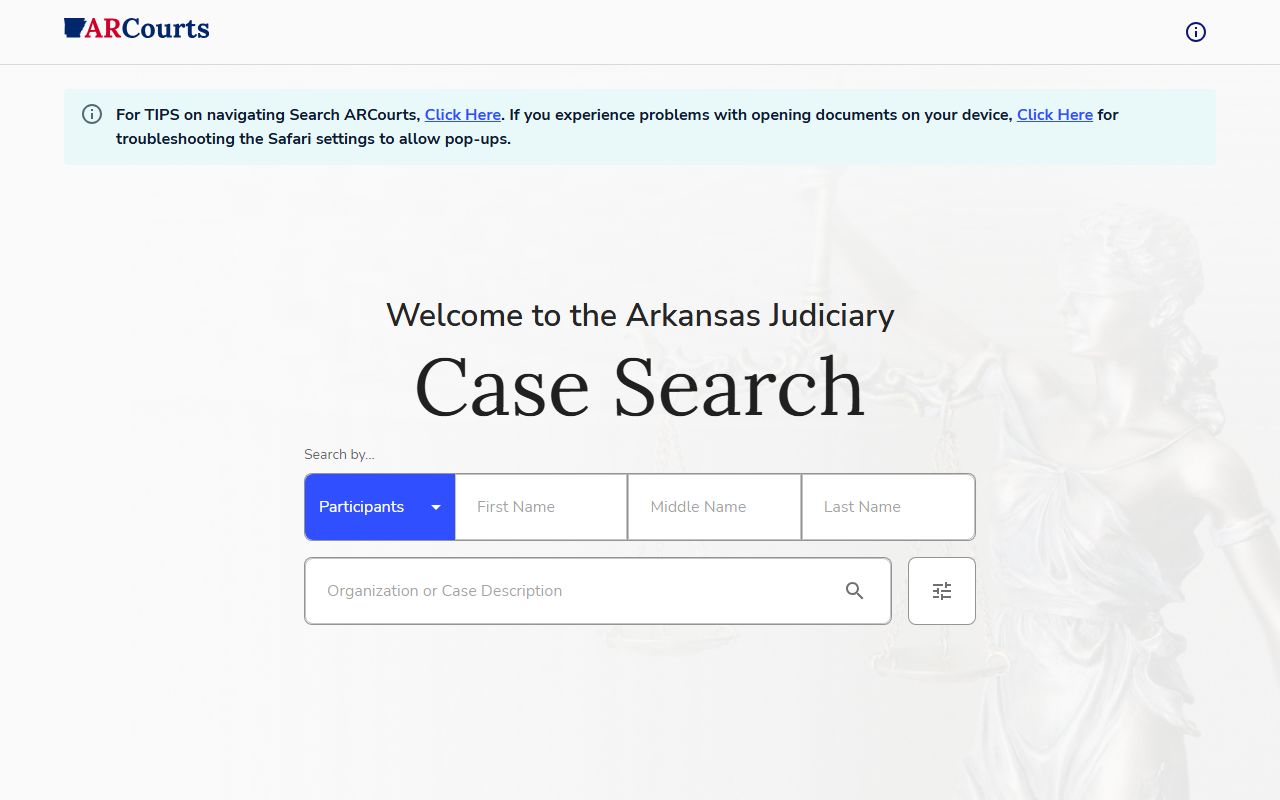
The Search ARCourts portal provides free public access to case records for courts across Arkansas, including domestic relations filings, custody dockets, and other family court matters searchable by name or case number.
Under Administrative Order 8, all circuit courts must report case statistical information through Search ARCourts. Courts that have fully adopted the Contexte system offer more complete records, including links to actual case documents. Not every county has full online access. If a county's records are not showing on the portal, you will need to call or visit the Circuit Clerk's office directly. Most clerks are open Monday through Friday, 8:00 AM to 4:30 PM.
Some counties operate their own local search tools alongside the statewide portal. Benton County, Pulaski County, and Sebastian County each have county-specific online record systems. These local portals sometimes offer access to document images that are not available on the statewide system. Check the county page for the one you need to find those links.
Court Technology and Public Access Programs
The Arkansas Court Automation Programs (ACAP) division of the Administrative Office of the Courts manages the technology behind public court record access. ACAP provides technological support to courts statewide, makes court information available to the public, and develops online services. The ACAP helpline is (501) 410-1900, Option 1, and the toll-free number is (866) 823-5778. Staff also respond to email at acap.help@arcourts.gov.
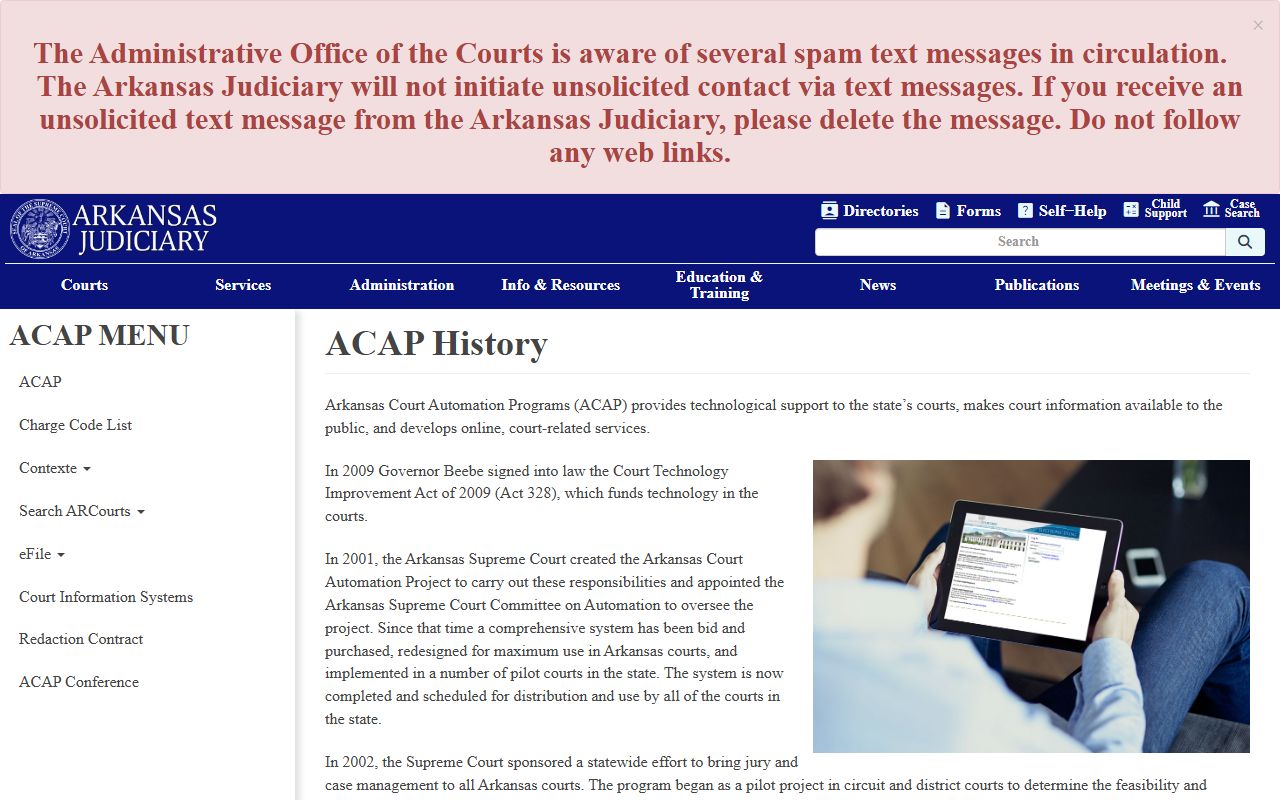
The ACAP division supports the CourtConnect public access system, the eFlex electronic filing platform, and the AR Courthouse Kiosk program, all of which help Arkansas residents locate and access family court records without needing an attorney.
ACAP also manages the AR Courthouse Kiosk program in partnership with the Arkansas Access to Justice Foundation. Kiosks placed in courthouses across the state let people access court records, print documents, find legal forms and fact sheets, and connect with legal aid organizations. If you do not have easy internet access at home, a courthouse kiosk may be the most practical option for searching family court records in your county.
Beginning in 2022, ACAP shifted focus toward modernizing the systems courts and law enforcement rely on. The office is working with multiple vendors to develop a new court management system built for long-term growth. During this period, public access remains available through Search ARCourts and existing county portals.
Electronic Filing for Arkansas Family Court Cases
Arkansas uses the eFlex electronic filing system in courts that have adopted it. Attorneys can use eFlex to start new cases or add documents to cases already in the system. Filing fees can be paid online through the Information Network of Arkansas payment portal using electronic check, Visa, MasterCard, or Discover. Under Administrative Order 21, initiating a new case through eFlex adds a $20 electronic filing fee on top of the standard court cost.
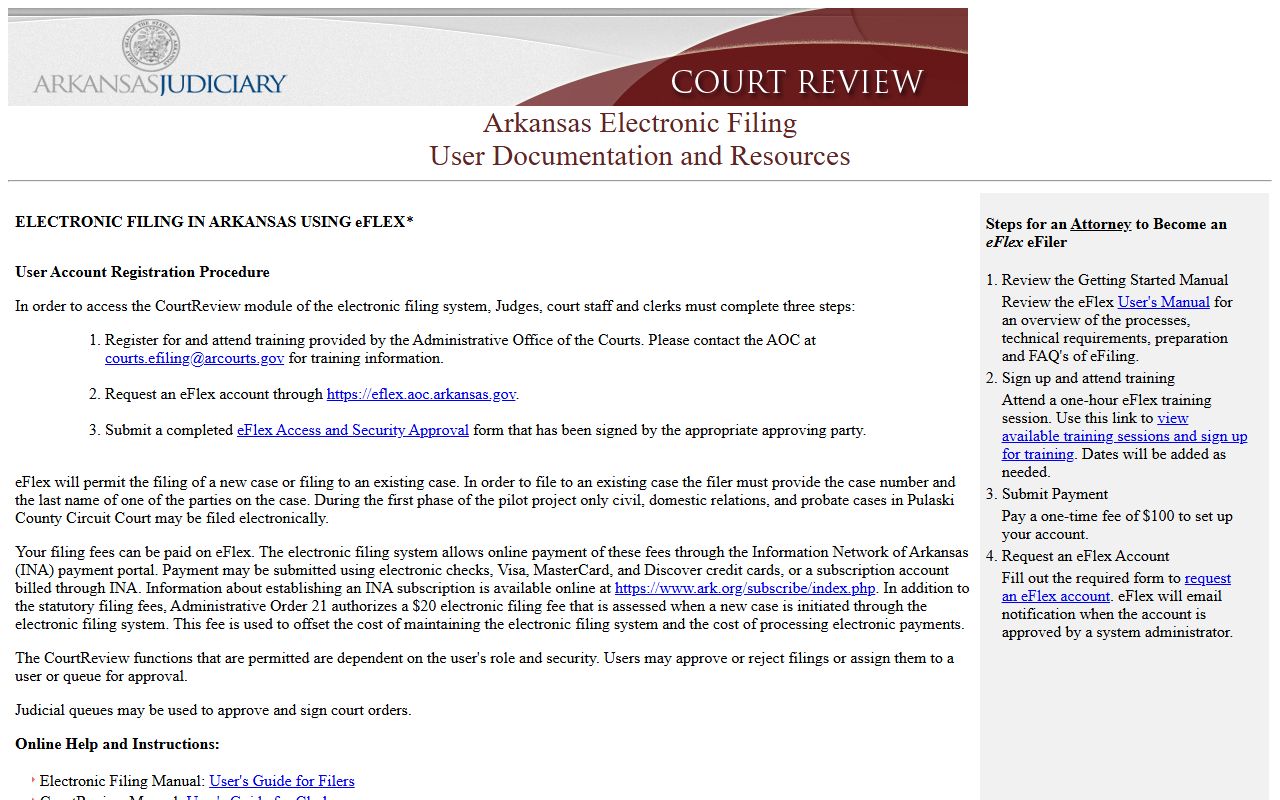
The eFlex system allows attorneys to submit family court filings online, track submissions, and pay fees electronically, though pro se litigants typically still need to file paper documents at the Circuit Clerk's office.
People representing themselves, called pro se filers, generally cannot use eFlex and must submit paper documents. Some clerks accept documents by mail through USPS, FedEx, or UPS, in addition to hand delivery at the courthouse. Hempstead County, for example, explicitly allows all three mail carriers for pro se submissions. Confirm the rules with your county's Circuit Clerk before mailing any court documents.
Note: E-filing requirements vary by county. Sevier County required mandatory eFlex use as of March 4, 2019. Boone County required it for civil cases starting January 1, 2018. Other counties are at different stages of adoption. Real estate documents generally cannot be e-filed and must be recorded in person.
Types of Family Court Cases in Arkansas
Circuit courts in Arkansas hear several categories of family-related cases through the Domestic Relations and Juvenile divisions. Each type of case generates its own set of records, and the level of public access differs depending on the case type.
Domestic relations cases are the most commonly searched. These are the records most people are looking for when they ask about Arkansas family court records. Cases in this division include:
- Divorce and annulment
- Legal separation and separate maintenance
- Child custody and visitation modification
- Child support establishment and modification
- Paternity actions
- Domestic abuse protective orders
- Contempt proceedings related to family court orders
Probate matters handled by circuit courts include wills, estates, guardianships, and conservatorships. These are separate from domestic relations but fall under the same court system and are stored with the Circuit Clerk. Adoption records are sealed under Arkansas Code § 9-9-217 and are not available to the general public. Juvenile records are confidential under § 9-27-309 of the Arkansas Code. A court order is required to access sealed or juvenile case files.
Arkansas Laws That Govern Family Court Records
Arkansas Code Annotated § 16-10-101 gives the Arkansas Supreme Court superintending control over all courts and requires a uniform case numbering and classification system statewide. This provision is what makes it possible to search records across all 75 counties through a single portal. Related to it, Arkansas Code Title 16 covers all courts and court procedure in the state, including the rules for how circuit courts operate and how the Circuit Clerk maintains case records.
The clearest public access rule is at § 16-10-105, which states that all court sittings in Arkansas shall be public and every person may freely attend. This statute is the foundation for open court records in the state. It applies directly to domestic relations proceedings. However, § 16-13-222 allows a judge to close domestic relations proceedings to the public in specific circumstances, usually to protect the privacy of minors or sensitive financial information.
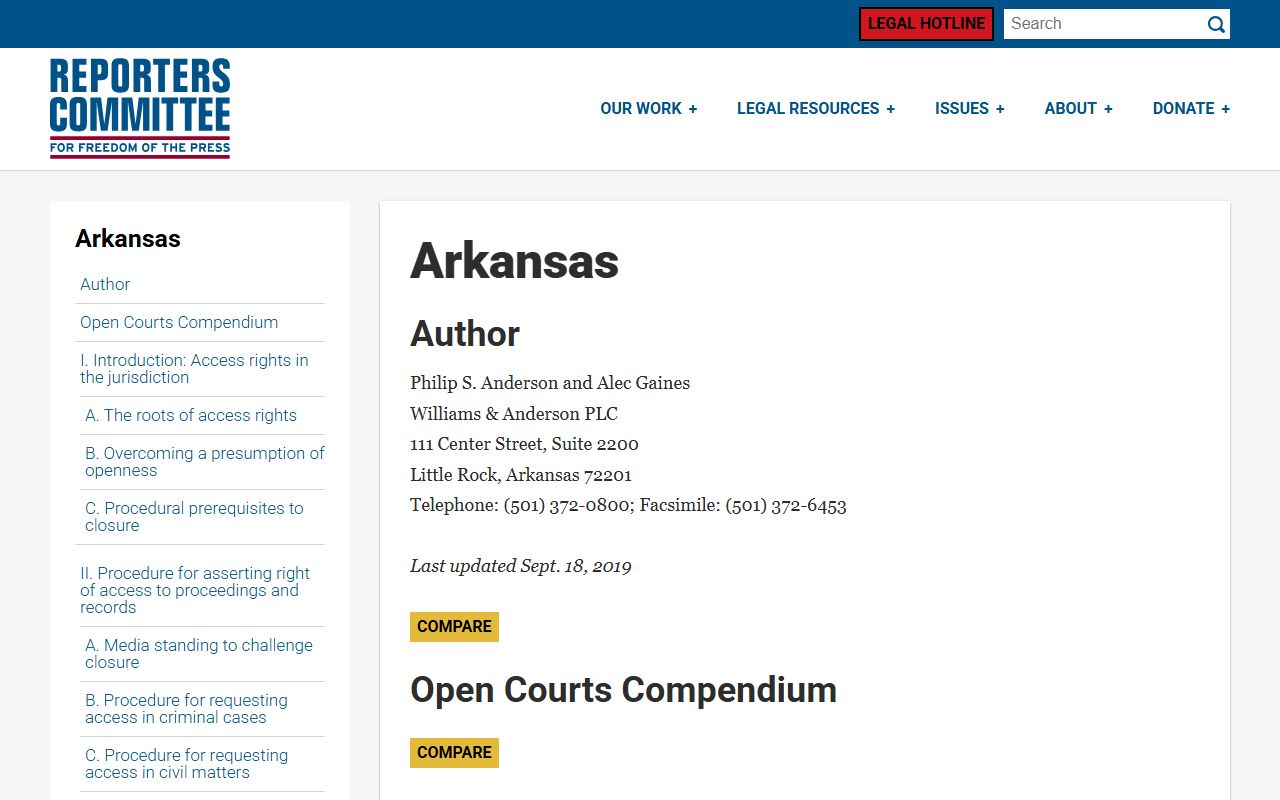
The Reporters Committee for Freedom of the Press maintains a detailed breakdown of Arkansas open courts law, including the scope of Administrative Order No. 19, which defines what qualifies as a court record and sets the framework for public access across all Arkansas courts.
The Arkansas Freedom of Information Act, at Arkansas Code § 25-19-101 et seq., treats most court records as public records subject to inspection and copying. Section 25-19-105 details access procedures, fees, exemptions, and timelines. If the estimated copy fee exceeds $25, the records custodian may ask for payment before processing your request. Clerks can waive fees in some cases when the request is non-commercial and serves a public interest.
Child custody law in Arkansas falls under § 9-13-101, which sets the best interest of the child as the governing standard and establishes a presumption favoring joint custody. Child support modification is covered by § 9-14-107, which allows courts to adjust support when income changes are significant. Divorce grounds and procedures are codified at § 9-12-301. These statutes shape the records that domestic relations courts produce and determine what information is included in each case file.
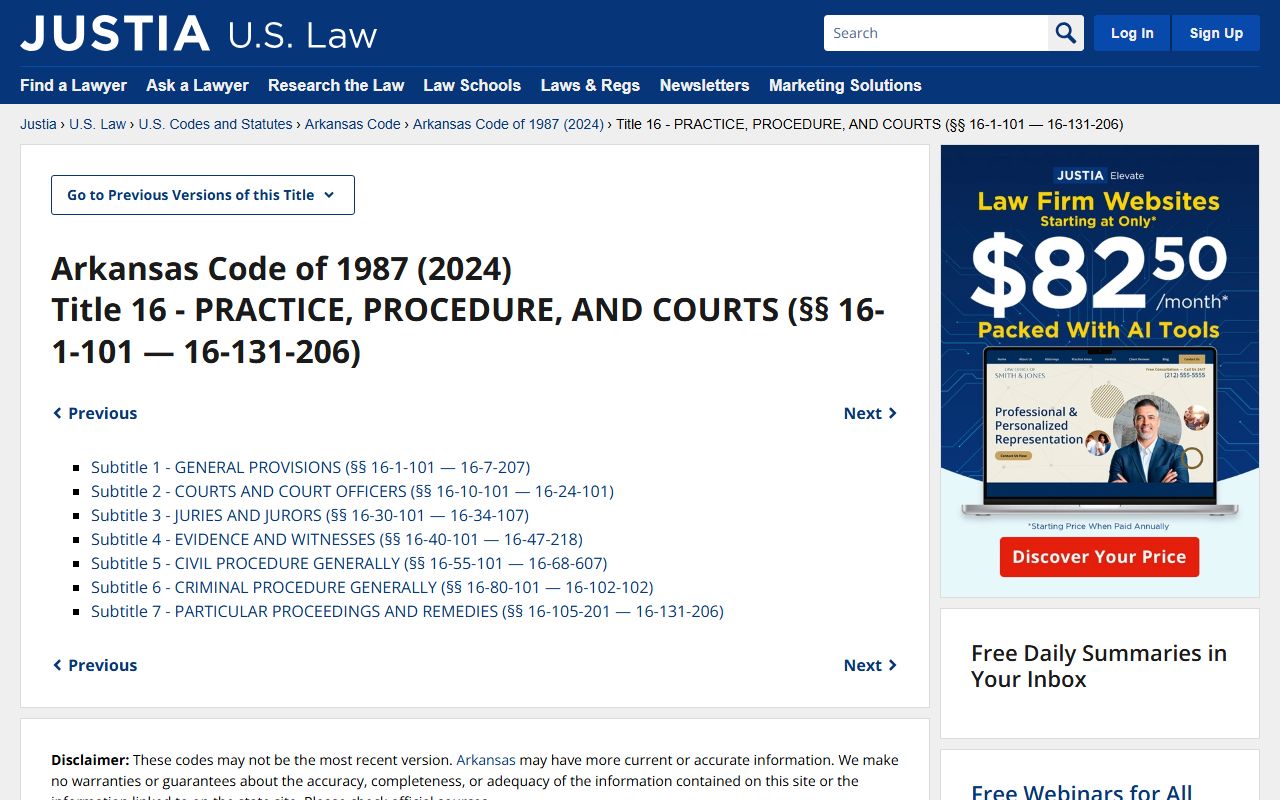
Arkansas Code Title 16, accessible through Justia Law, contains the full body of statutes governing circuit court structure, clerk duties, and public access to court records across all 75 Arkansas counties.
Fees for Arkansas Family Court Records
Searching for family court records online is free. The Search ARCourts portal charges nothing for basic case lookups. In-person inspection of records at the Circuit Clerk's office is also free in all Arkansas counties. Fees only apply when you ask for copies.
Standard (uncertified) copies cost $0.25 to $0.50 per page across most Arkansas counties. Certified copies carry the official court seal and are required for name changes, passport applications, and many legal or government processes. Most counties charge $5.00 for the first certified page and $0.50 for each additional page. Some counties charge more. Garland County charges $10.00 per certified copy. Copy fees vary enough that a quick phone call to the clerk before you go in person is worth the time.
Filing fees are separate from records copy fees. Starting a new case in Circuit or Domestic Relations Court runs $165.00 in most Arkansas counties. Faulkner County charges $185.00. Adding the eFlex surcharge raises the cost by $20.00 when a new case is filed electronically. Reopening a closed case typically costs $50.00. Summons and subpoenas add $2.50 per person for service.
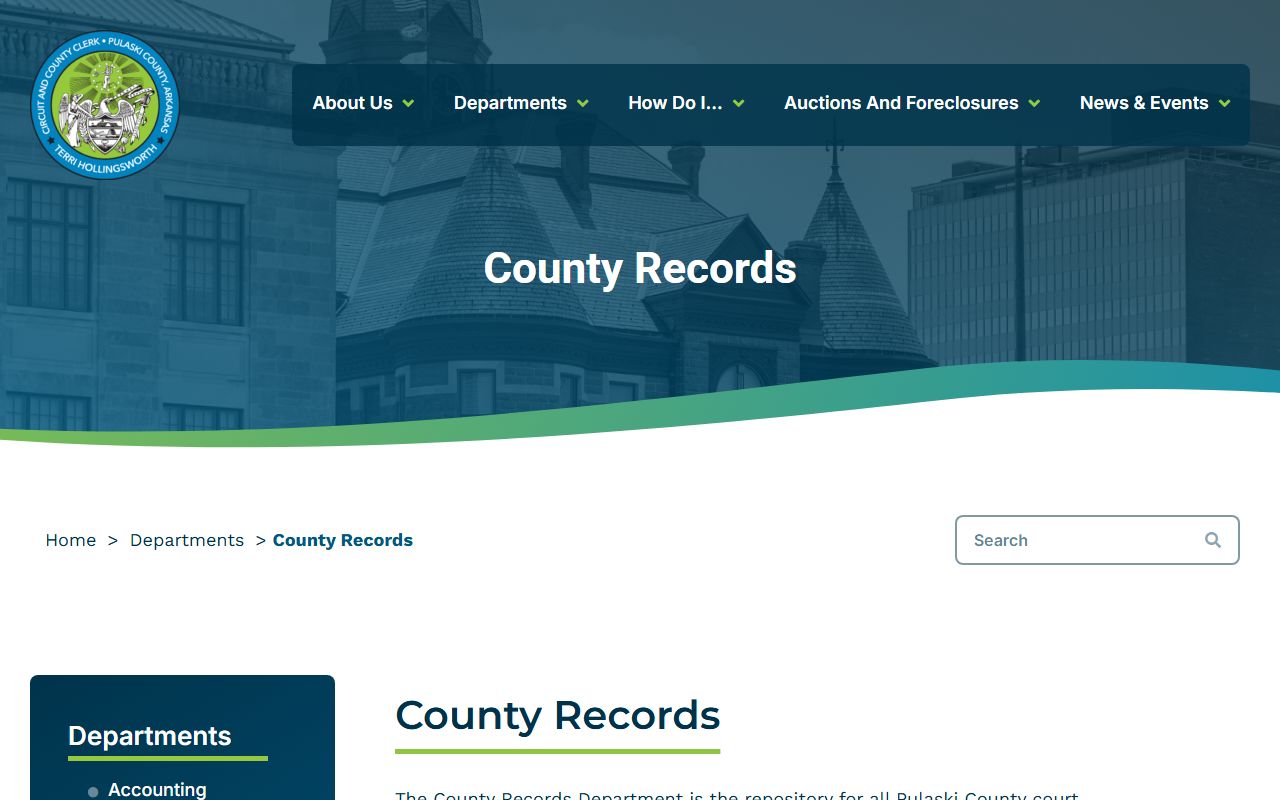
The Pulaski County Circuit Clerk's records department charges $5.00 for certified copies, available for pickup in person or by mail through the US Postal Service. The office notes that certified copies cannot be emailed, a policy that is common across most Arkansas counties.
Free Legal Help and Self-Help Resources
The Arkansas Access to Justice Foundation coordinates civil legal services statewide and runs the AR Courthouse Kiosk program, which places free-access kiosks in courthouses around Arkansas. At a kiosk you can search court records, print documents, access legal forms and fact sheets, and find contact information for legal aid organizations near you.
Two nonprofit legal aid organizations serve the state. The Center for Arkansas Legal Services (CALS), founded in 1965 and based in Little Rock, provides free civil legal help to low-income residents in 44 of the state's 75 counties. Legal Aid of Arkansas, based in Jonesboro, serves 31 counties in the other part of the state. Both organizations handle family law matters including divorce, custody, child support, and protective orders for qualifying clients.
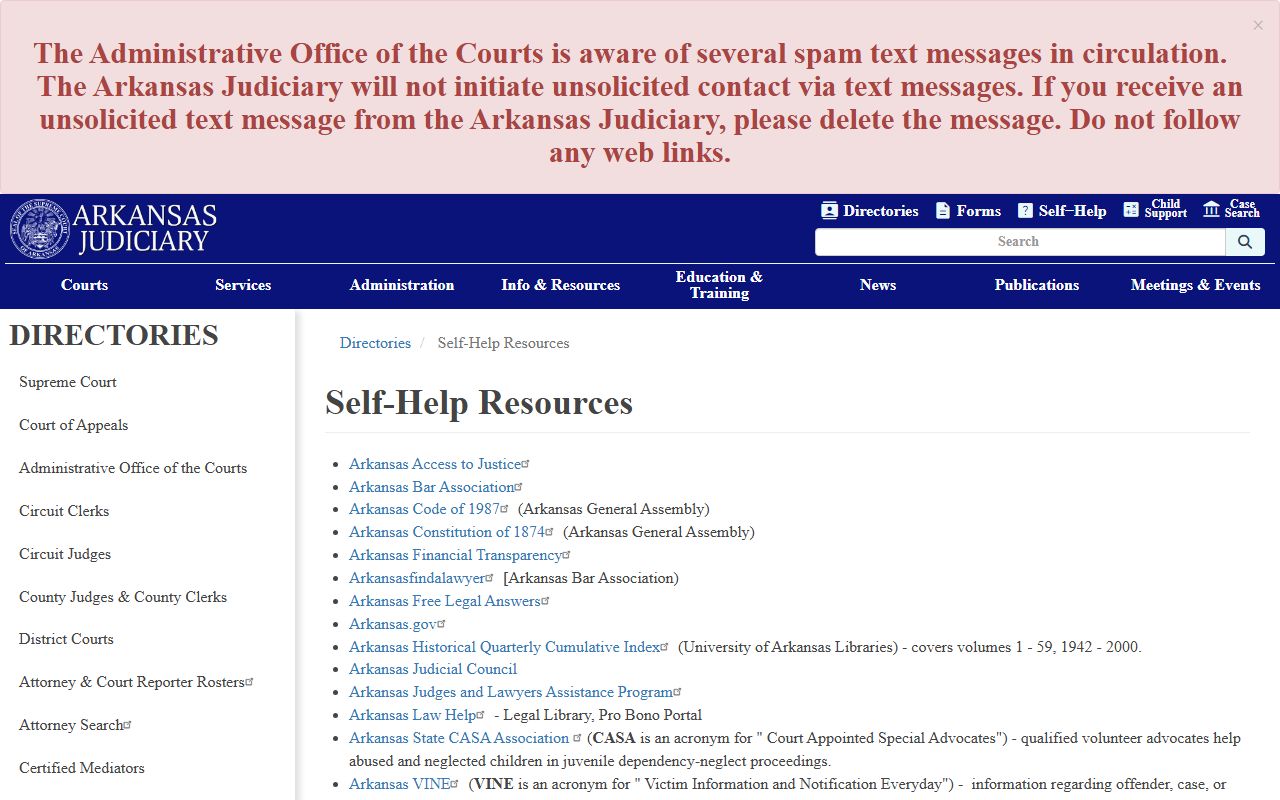
The Arkansas Judiciary's self-help resource directory links to legal aid programs, self-help guides, standardized court forms, and the Search ARCourts portal. If you plan to handle a family court matter on your own, starting with this directory can help you find the right forms and understand each step in the process.
The Arkansas Department of Health Vital Records office maintains a central index of marriage and divorce records from 1917 to the present. You can request a divorce certificate or verification for $10.00. The ADH issues a certificate confirming a divorce took place, not a copy of the court decree itself. For the actual decree or other documents from the case file, contact the Circuit Clerk in the county where the case was filed.
Are Family Court Records Public in Arkansas
Yes. Most family court records in Arkansas are open to the public under § 16-10-105 and the Arkansas Freedom of Information Act. You do not need to be a party to the case. You do not need to give a reason. Divorce filings, custody orders, child support judgments, and paternity records are available to anyone who asks at the Circuit Clerk's office in the county where the case was filed.
Some records have restricted access. Juvenile case records are confidential under § 9-27-309. Adoption files are sealed by law under § 9-9-217. Financial documents attached to a case, such as tax returns or detailed bank statements, may be protected from public view. Social security numbers, financial account numbers, and other sensitive identifiers are redacted from public-facing filings under Administrative Order No. 19. A court can seal additional records if a party shows good cause, though a judge must sign an order to do so.
In practice, if you know the county where a case was filed, you can search basic information through CourtConnect at no cost. For certified copies, bring a photo ID and be prepared to pay the copy fee at the clerk's window. Mail requests are accepted at many county offices, though turnaround times vary.
Browse Arkansas Family Court Records by County
Each of Arkansas's 75 counties has its own Circuit Clerk who handles domestic relations, juvenile, and probate cases. Select a county below to find the clerk's contact information, office address, local search tools, and resources for family court records in that area.
Family Court Records in Major Arkansas Cities
Residents of major cities file family court cases at the Circuit Court in their county. Select a city below to find the courthouse serving your area, contact information for the Circuit Clerk, and local resources for family court records.